Introduction to Solar Myths and Misconceptions
Solar energy is one of the fastest-growing sources of electricity in the world, yet it is still surrounded by confusion. Many homeowners hesitate to switch because of outdated claims they heard years ago from a neighbor, a relative, or a random online comment.
In this guide, we separate fact from fiction. Whether you are just starting to explore how solar panels work or you are ready to compare quotes, understanding the most common solar myths and misconceptions will help you make a smarter decision.
Common Solar Myths and Misconceptions Explained
Let’s go through the claims we hear most often, one by one.
Solar Myths and Misconceptions About Installation Costs
Myth: Solar is only for wealthy homeowners.
Solar was expensive a decade or two ago, but equipment and installation costs have fallen dramatically since then. Today, many households can choose between cash purchase, loans, leases, or power purchase agreements, which often require little or no money upfront.
Incentives and net metering rules also change over time and vary by location. Always check current programs through the U.S. Department of Energy’s homeowner’s guide to going solar and read our breakdown of solar financing options before you sign anything.
Solar Myths and Misconceptions About Power Outages
Myth: If the grid goes down, my solar panels will keep my house powered.
This one surprises many people. A standard grid-tied system automatically shuts off during an outage. This is a safety feature that protects utility workers repairing the lines.
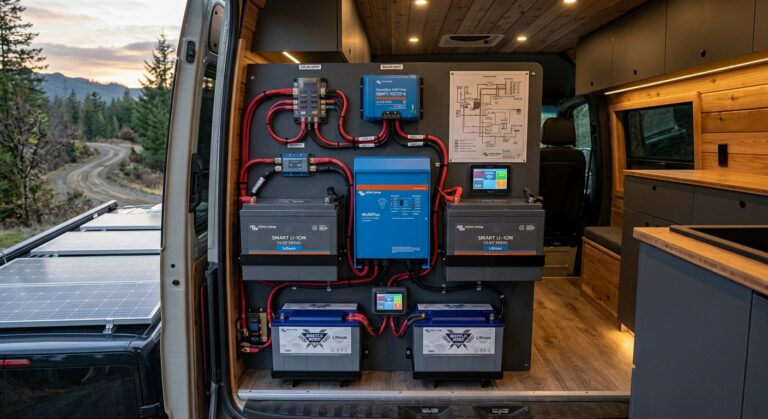
To keep your lights on during a blackout, you need a battery storage system or a hybrid inverter with backup capability. Learn more in our guide to solar batteries and backup power.
Solar Myths and Misconceptions About Cloudy Weather
Myth: Solar panels don’t work when it’s cloudy or cold.
Panels generate electricity from daylight, not just direct sunshine. Output drops under heavy cloud cover, but it does not fall to zero. Cold weather can even help, because panels are slightly more efficient at lower temperatures. This is why solar performs well in places like Germany and the northern United States.
For a realistic estimate for your location, try the free NREL PVWatts Calculator.
Solar Myths and Misconceptions About Roof Damage
Myth: Solar panels will damage my roof.
A professional installation should not harm your roof. Mounting hardware is sealed and flashed to prevent leaks, and panels can actually shield the covered roof area from sun, rain, and debris.
The key is choosing a qualified installer. If your roof is old, repair or replace it before installation. Our checklist on how to choose a solar installer shows which questions to ask about roof warranties.
Solar Myths and Misconceptions About Energy Savings
Myth: Solar doesn’t really save money.
Savings depend on your electricity rates, system size, roof orientation, shading, and local policies. For many households, solar reduces monthly bills significantly and pays for itself over time, typically within several years, while panels keep producing for 25 years or more.
Solar is not guaranteed to be a good fit for every home, so run the numbers for your own situation. Our solar payback calculator guide explains how.
Solar Myths and Misconceptions About Maintenance
Myth: Solar panels need constant maintenance.
Panels have no moving parts, so upkeep is minimal. Rain removes most dust, and an occasional rinse or inspection is usually enough. The main component that may need replacing is the inverter, typically after 10 to 15 years. Most manufacturers offer long warranties, often 25 years on panel performance.
Solar Myths and Misconceptions About System Performance
Beyond the basics, some performance-related beliefs deserve a closer look:
- “Solar panels stop working after a few years.” Panels do degrade slowly, generally around 0.5% per year, and still produce most of their original output after two decades.
- “Hotter climates always mean better output.” Panels actually lose some efficiency in extreme heat. Sunlight quality matters more than temperature.
- “Bigger is always better.” An oversized system may produce more than you can use or get credit for. Proper sizing depends on your consumption and local net metering rules.
- “Any roof direction works equally well.” Orientation, tilt, and shading all change production. In the northern hemisphere, south-facing roofs usually perform best.
For deeper technical data, the National Renewable Energy Laboratory (NREL) publishes extensive research on PV performance and degradation.
How to Separate Solar Facts from Misconceptions
Use these simple habits to avoid misinformation:
- Check the source. Prefer government agencies, research labs, and industry associations such as the Solar Energy Industries Association (SEIA).
- Look at the date. Solar technology and pricing change fast, so older articles can be badly outdated.
- Get several quotes. Compare at least three installers and ask for production estimates in writing.
- Use calculators. Tools like PVWatts give location-specific estimates instead of generic claims.
- Read the contract. Understand warranties, financing terms, and what happens if you sell your home.
Want to go further? Browse our solar energy basics hub for beginner-friendly guides.
Frequently Asked Questions About Solar Myths and Misconceptions
Do Solar Panels Work on Cloudy Days?
Yes. They produce less than on a clear day, but they still generate electricity from diffuse light. Production depends on cloud thickness and your location.
Can Solar Panels Eliminate Electricity Bills?
In some cases, yes, especially if your system is sized to cover your full usage and your utility offers good net metering. However, most homes still have small fixed fees or connection charges, so a bill of exactly zero is not guaranteed.
Do Solar Panels Require Regular Maintenance?
Very little. Occasional cleaning, a yearly visual check, and monitoring through your inverter app are usually enough. Plan for a possible inverter replacement after about 10 to 15 years.
Conclusion: The Truth About Solar Myths and Misconceptions
Most solar myths and misconceptions come from outdated information or simple misunderstandings. Solar is more affordable, more reliable, and lower-maintenance than many people think, but it also has real limits, such as outage behavior and site-specific savings.
The best next step is to evaluate your own home with accurate data. Explore our complete solar buyer’s guide, compare installers, and ask detailed questions before you commit.