Commercial solar means installing solar panels on a business, industrial or institutional property to cut electricity costs and stabilize long-term energy spending. In 2026 the US rules for business solar have changed sharply, with new tax deadlines, tariffs and a fast-growing domestic panel industry. This guide explains what it is and what the latest federal policy means for your business.
Thank you for reading this post, don't forget to subscribe!What Is Commercial Solar?
Commercial vs. Residential Solar
Business systems are larger (often tens of kW to several MW) and are usually owned or financed through business structures. They are also tied to business tax rules, which residential systems are not.
Who Uses Business Solar Energy?
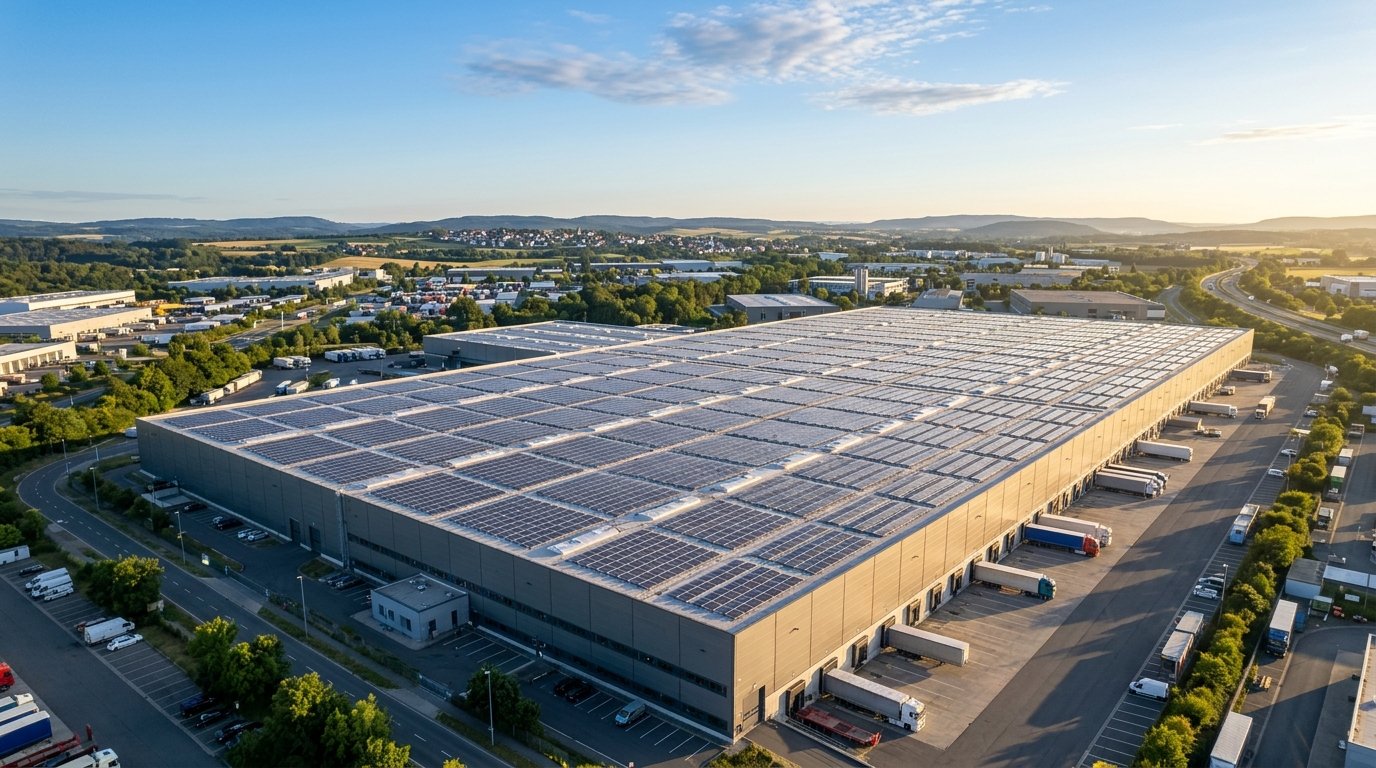
Warehouses, factories, retail centers, farms, schools, hospitals and office buildings. Companies with high daytime electricity use benefit the most.
How Commercial Solar Systems Work
Main Components of a Solar System
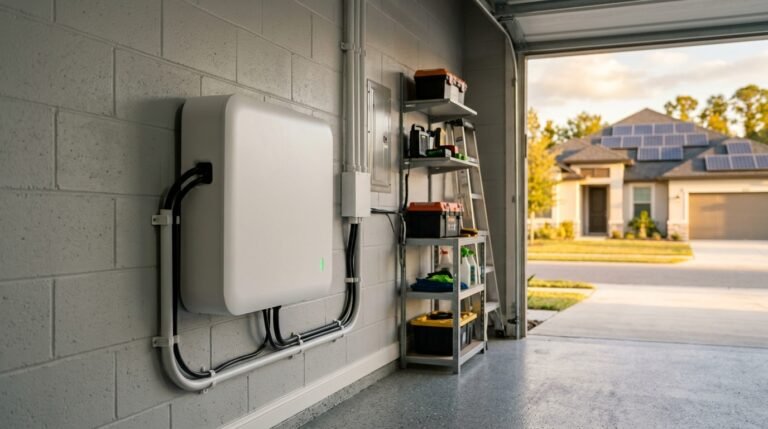
Solar panels, inverters, racking, metering and, optionally, battery storage.
Types of Solar Panel Installations for Commercial Buildings
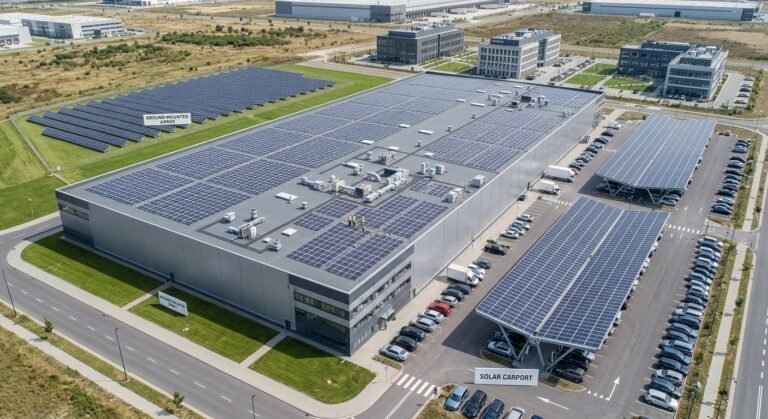
Most systems are mounted on flat roofs. Ground-mount and carport installations are common when roof space is limited.
Commercial Solar and US Federal Policy Under Trump
What the One Big Beautiful Bill Act Changed
President Trump signed the One Big Beautiful Bill Act (OBBBA) on July 4, 2025. The law ends or shortens many federal clean energy tax credits created under the Biden-era Inflation Reduction Act. For commercial solar, the key incentive is the Section 48E investment tax credit.
The 2026 and 2027 Tax Credit Deadlines
This is the most important point for any business planning a solar project today:
- Projects that began construction by July 4, 2026 get a multi-year window to finish.
- Projects that missed that date must be placed in service by December 31, 2027 to claim the federal credit.
In practice, a project started today has roughly 14 months to be fully operating. Utility interconnection often takes the longest, so schedule backward from the permission-to-operate date, not from the installation date.
Depreciation and Foreign Entity of Concern (FEOC) Rules
- Depreciation: 100% first-year bonus depreciation was restored for qualifying property placed in service after January 19, 2025. However, the rules for solar depreciation classification changed for projects that began construction after December 31, 2024, so older guides may be outdated. Confirm your treatment with a CPA.
- FEOC: projects that use components from foreign entities of concern can lose access to the 48E credit. Ask every installer where the panels, inverters and batteries come from.
Two Views on the Policy
Critics, including the solar trade group SEIA, argue the law makes deep cuts to solar and will slow deployment and US manufacturing growth. Supporters frame the law around American energy dominance, with sourcing rules designed to favor non-Chinese supply chains. Both views matter for your decision: the policy raises urgency and sourcing requirements, but the economics of commercial solar still depend on your building and your electricity rates.
Commercial Solar Made in America: The Industrial Manufacturing Boom
US Solar Panel Manufacturing
US module manufacturing capacity grew from about 8 GW before federal manufacturing tax credits to roughly 70 GW in June 2026, enough to supply most American demand. Factories operate across the country, with Texas, Georgia, Ohio and Alabama among the major hubs.
The Cell Gap and Tariffs
The weak link is upstream. Domestic solar cell capacity is still far smaller than module capacity, so many US factories depend on imported cells. New cell factories are under construction, but they take 18 to 24 months to reach output. Meanwhile, analysts expect higher US module prices through 2027 because of tariff uncertainty. For buyers, this means module pricing can move between quote and installation, so ask your installer to lock equipment prices in the contract.
Why Domestic Content Matters
US-made equipment can help you meet sourcing rules and may qualify for extra incentives. It can also reduce supply-chain risk during a compressed schedule.
Costs and Financing Options for Commercial Solar
How Much Does a Solar Installation Cost?
Cost depends on system size, roof type, equipment origin and interconnection. Get at least three quotes and compare cost per watt, estimated annual production and warranty terms.
Financing: Purchase, Loan, Lease or PPA
Ownership (cash or loan) captures the tax benefits directly. Leases and power purchase agreements (PPAs) need no upfront cost, but the owner keeps the incentives. With the 2027 deadline, make sure any commercial solar financing structure can close and energize in time.
How to Choose Commercial Solar Contractors
What to Look For in an Installer
Experience with business projects, licenses, insurance, certifications and clear warranties. Ask directly about FEOC compliance and equipment sourcing.
Questions to Ask Before You Sign
- Can you place my commercial solar system in service before December 31, 2027?
- Where are the panels and inverters manufactured?
- Who handles permitting and utility interconnection?
- What happens if tariffs or equipment prices change?
Commercial Solar FAQ
Is It Still Worth It After the Tax Credit Changes?
Often yes, but the window is shorter. The credit still applies to qualifying projects placed in service by the end of 2027, and your savings depend on your rates and daytime load.
Can a Small Business Go Solar?
Yes, if you own the building or have a long lease, and your electricity use is high enough to justify the system size.
Final Thoughts on Commercial Solar
Commercial solar in 2026 is a deadline-driven decision shaped by Trump-era tax law, tariffs and a growing American manufacturing base. Start with your utility bills, get several quotes, and confirm timelines with your tax advisor. Use our solar calculator or request a quote to see what solar could save your business.
This article is for information only and is not tax or legal advice. Consult a qualified tax professional before making an investment decision.
Sources
- POWER Magazine: solar tax credit deadlines
- SEIA: Clean energy provisions in the One Big Beautiful Bill
- The Real Estate Roundtable: Clean energy tax incentives
- Canary Media: US solar manufacturing in 2026
- pv magazine USA: module price forecast and tariffs
Commercial solar in 2026 is a deadline-driven decision shaped by Trump-era tax law, tariffs and a growing American manufacturing base. Start with your utility bills, get several quotes, and confirm timelines with your tax advisor. Use our solar load calculator to estimate your energy needs before you request a quote.